Dental Care Blog

Expert Dental Insights, Tips, and Information from Southend Dental Clinic in Sector 49 Gurgaon

Stay informed about the latest in dental care, oral health tips, and treatment options. Our blog provides valuable information to help you make informed decisions about your dental health.

Dental Implants

Dental Implants in Gurgaon: A Complete Guide to Permanent Tooth Replacement

Published: January 15, 2024 | 8 min read
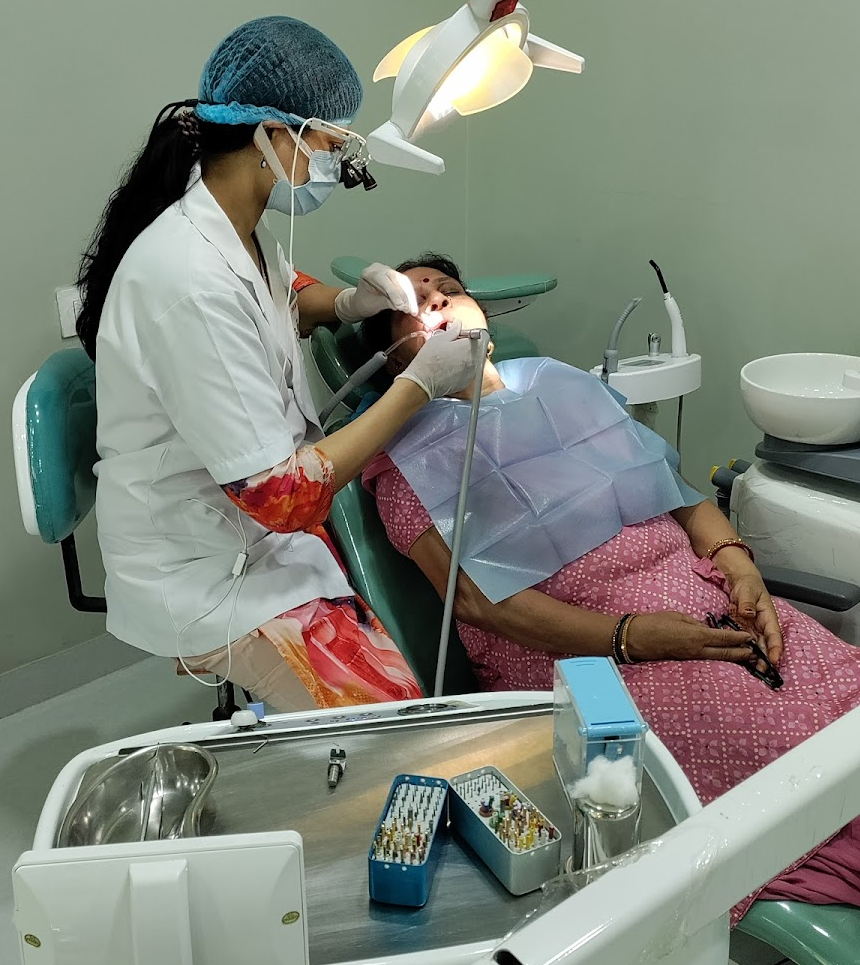
Dental Implants Guide - Southend Dental Clinic Gurgaon

Understanding Dental Implants: What Are They?

Dental implants represent one of the most advanced and reliable solutions for replacing missing teeth. Unlike traditional dentures or bridges, dental implants are surgically placed titanium posts that act as artificial tooth roots. These posts fuse with your jawbone through a process called osseointegration, providing a stable foundation for replacement teeth that look, feel, and function like natural teeth.

At Southend Dental Clinic in Sector 49, Gurgaon, we specialize in providing high-quality dental implant procedures. Our experienced Periodontist & Implantologist, Dr. Bhawya, has successfully placed hundreds of dental implants, helping patients restore their smiles and oral function.

Key Benefits of Choosing Dental Implants

Dental implants offer numerous advantages over other tooth replacement options:

1. Natural Appearance and Function

Dental implants are designed to closely mimic your natural teeth. Once the crown is placed, the implant looks and feels completely natural, allowing you to smile, speak, and eat with confidence. Unlike removable dentures, implants don't slip or move, providing stability that feels just like your original teeth.

2. Prevents Bone Loss

When you lose a tooth, the jawbone in that area begins to deteriorate due to lack of stimulation. Dental implants stimulate the jawbone just like natural tooth roots, preventing bone loss and maintaining your facial structure. This is particularly important for maintaining a youthful appearance and preventing the sunken look that can occur with missing teeth.

3. Long-Lasting Solution

With proper care and maintenance, dental implants can last a lifetime. While the crown may need replacement after 10-15 years, the implant itself is designed to be permanent. This makes implants a cost-effective long-term investment in your oral health.

4. No Impact on Adjacent Teeth

Unlike dental bridges, which require grinding down adjacent healthy teeth, implants are standalone solutions. This preserves your natural teeth and maintains your overall oral health.

The Dental Implant Procedure: Step-by-Step Process

Understanding the dental implant process can help alleviate any concerns you might have. Here's what to expect when you choose dental implants at our clinic in Sector 49, Gurgaon:

Step 1: Initial Consultation and Assessment

During your first visit, Dr. Bhawya will conduct a comprehensive examination of your oral health. This includes taking digital X-rays and, if necessary, 3D CBCT scans to assess your jawbone density and structure. We'll review your medical history and discuss your treatment goals to determine if you're a good candidate for dental implants.

Step 2: Treatment Planning

Based on the examination, we'll create a personalized treatment plan. This includes determining the number of implants needed, whether bone grafting is required, and the timeline for your treatment. We use advanced computer-guided implant planning to ensure precise placement.

Step 3: Implant Placement Surgery

The implant placement is performed under local anesthesia, ensuring you're completely comfortable throughout the procedure. Dr. Bhawya makes a small incision in the gum tissue, creates space in the jawbone, and carefully places the titanium implant post. The procedure typically takes 1-2 hours per implant, and most patients report minimal discomfort.

Step 4: Healing and Osseointegration

After implant placement, a healing period of 3-6 months is required. During this time, the implant fuses with your jawbone through osseointegration, creating a strong foundation. You'll be given specific care instructions to ensure optimal healing.

Step 5: Abutment Placement

Once osseointegration is complete, a small connector piece called an abutment is attached to the implant. This serves as the connection between the implant and the replacement tooth.

Step 6: Crown Placement

The final step involves placing a custom-made crown that matches your natural teeth in color, shape, and size. The crown is securely attached to the abutment, completing your new tooth restoration.

Who is a Good Candidate for Dental Implants?

Most adults with missing teeth are potential candidates for dental implants. Ideal candidates typically have:

  • Adequate jawbone density to support the implant
  • Good overall oral health
  • Healthy gum tissue
  • Commitment to maintaining good oral hygiene
  • No uncontrolled chronic conditions that could affect healing

If you have insufficient jawbone, bone grafting procedures can often be performed to create a suitable foundation for implants. During your consultation at our Sector 49 clinic, we'll assess your specific situation and discuss all available options.

Essential Aftercare Tips for Dental Implants

Proper care is crucial for the long-term success of your dental implants. Here are essential aftercare guidelines:

Daily Oral Hygiene

Treat your implant like a natural tooth. Brush twice daily with a soft-bristled toothbrush and use an interdental brush or floss to clean around the implant. Avoid abrasive toothpaste that could scratch the crown surface.

Regular Dental Check-ups

Schedule regular check-ups at our clinic every six months. We'll monitor your implant's health, perform professional cleanings, and address any concerns early.

Avoid Harmful Habits

Refrain from smoking, as it can significantly impact implant success. Avoid chewing hard objects like ice or hard candies that could damage the crown. If you grind your teeth, consider wearing a night guard.

Watch for Warning Signs

Contact us immediately if you experience persistent pain, swelling, or notice the implant feels loose. Early intervention can prevent complications.

Frequently Asked Questions About Dental Implants

How long do dental implants last?

With proper care, dental implants can last a lifetime. The crown may need replacement after 10-15 years, but the implant itself is designed to be permanent.

Is the implant procedure painful?

The procedure is performed under local anesthesia, so you won't feel pain during surgery. Most patients experience only mild discomfort afterward, which can be managed with prescribed medications.

How much do dental implants cost in Gurgaon?

Implant costs vary based on individual needs, number of implants, and whether additional procedures like bone grafting are required. We provide transparent pricing during your consultation. Call us at +91 79000 03722 to schedule an appointment.

Can I get implants if I have multiple missing teeth?

Yes, dental implants can replace single teeth, multiple teeth, or even support full dentures. We offer various implant solutions including single implants, implant-supported bridges, and full mouth implant restorations.

Ready to Explore Dental Implants?

Schedule a consultation with our expert implantologist in Sector 49, Gurgaon

Call +91 79000 03722

Or learn more about our dental implant services

Root Canal Treatment

Root Canal Treatment in Gurgaon: Separating Myths from Facts

Published: January 15, 2024 | 7 min read

Root Canal Treatment Guide - Southend Dental Clinic Gurgaon

Understanding Root Canal Treatment: What It Really Is

Root Canal Treatment, often abbreviated as RCT, is a dental procedure designed to save a severely infected or damaged tooth by removing the infected pulp from inside the tooth. Despite common misconceptions, modern root canal treatment is a comfortable, pain-relieving procedure that allows you to keep your natural tooth instead of extraction.

At Southend Dental Clinic in Sector 49, Gurgaon, we perform root canal treatments using advanced techniques and modern equipment, ensuring a comfortable experience for our patients. Our goal is to preserve your natural teeth whenever possible, and RCT is one of the most effective ways to achieve this.

Common Myths vs. Facts About Root Canal Treatment

Let's address some of the most persistent myths surrounding root canal treatment:

Myth 1: Root Canal Treatment is Extremely Painful

Fact: Modern root canal treatment is performed under local anesthesia, making the procedure itself painless. In fact, RCT relieves the severe pain caused by the infected tooth. Most patients report that the procedure is no more uncomfortable than getting a regular filling. Any mild discomfort after the procedure can be easily managed with over-the-counter pain relievers.

Myth 2: It's Better to Extract the Tooth

Fact: Saving your natural tooth through root canal treatment is almost always preferable to extraction. Natural teeth maintain your jawbone health, allow for normal chewing function, and prevent adjacent teeth from shifting. Tooth extraction often requires additional procedures like bridges or implants, which can be more costly and time-consuming.

Myth 3: Root Canal Treatment Causes Illness

Fact: This outdated myth has been thoroughly debunked by modern scientific research. Root canal treatment is a safe, effective procedure that eliminates infection and promotes oral health. There is no scientific evidence linking properly performed root canal treatment to systemic illness.

Myth 4: The Procedure Takes Multiple Long Appointments

Fact: While some complex cases may require multiple visits, many root canal treatments can be completed in a single appointment at our clinic. Advances in technology and techniques have made RCT more efficient, often taking 1-2 hours depending on the tooth's complexity.

When is Root Canal Treatment Needed?

Root canal treatment becomes necessary when the pulp (the soft tissue inside your tooth containing nerves and blood vessels) becomes infected or inflamed. Common causes include:

  • Deep decay: Untreated cavities that reach the tooth's pulp
  • Repeated dental procedures: Multiple fillings or restorations on the same tooth
  • Trauma or injury: Cracks, chips, or fractures that expose the pulp
  • Gum disease: Advanced periodontal disease affecting the tooth's root

Warning signs that you might need root canal treatment include severe toothache, sensitivity to hot and cold, swollen gums, darkening of the tooth, or a pimple-like bump on the gums. If you experience any of these symptoms, schedule an appointment at our Sector 49 clinic for immediate evaluation.

The Root Canal Treatment Process: Step-by-Step

Understanding the procedure can help ease any anxiety. Here's what happens during root canal treatment at our Gurgaon clinic:

Step 1: Examination and Diagnosis

Dr. Bhawya will examine your tooth, review X-rays, and assess the extent of infection. We use digital X-rays and advanced imaging to get a clear picture of your tooth's condition.

Step 2: Local Anesthesia

We apply local anesthesia to ensure you're completely comfortable throughout the procedure. You'll be awake but won't feel any pain during the treatment.

Step 3: Access Opening

A small opening is created in the crown of the tooth to access the infected pulp chamber and root canals.

Step 4: Cleaning and Disinfection

Using specialized instruments, we carefully remove the infected pulp and thoroughly clean and disinfect the root canals. At our clinic, we use advanced techniques including microscopic endodontics for precision.

Step 5: Filling and Sealing

The cleaned canals are filled with a biocompatible material called gutta-percha and sealed to prevent reinfection.

Step 6: Restoration

After root canal treatment, the tooth is typically restored with a crown or filling to protect it and restore its function. This final step is crucial for the long-term success of the treatment.

Pain Management During and After Root Canal Treatment

One of the biggest concerns patients have is about pain. Here's what you need to know:

During the Procedure

Modern anesthesia techniques ensure you won't feel pain during the root canal treatment. The procedure itself is designed to relieve the pain you're experiencing from the infected tooth.

After the Procedure

It's normal to experience mild discomfort or sensitivity for a few days after treatment. This can usually be managed with over-the-counter pain relievers like ibuprofen. Most patients can return to their normal activities the same day.

When to Contact Us

If you experience severe pain, swelling, or the temporary filling comes out, contact our clinic immediately. These are rare occurrences, but we're here to help if needed.

Recovery Timeline: What to Expect

Understanding the recovery process helps set realistic expectations:

  • Immediately after: Numbness from anesthesia may last 2-4 hours. Avoid eating until feeling returns.
  • First 24-48 hours: Mild discomfort is normal. Stick to soft foods and avoid chewing on the treated tooth.
  • 3-7 days: Any sensitivity should subside. You can gradually return to normal eating habits.
  • After crown placement: Once the permanent crown is placed (usually 1-2 weeks after RCT), the tooth functions normally.

Frequently Asked Questions About Root Canal Treatment

How long does root canal treatment take?

Most root canal treatments take 1-2 hours per tooth. Simple cases may be completed in a single visit, while complex cases might require 2-3 appointments.

Will I need a crown after root canal treatment?

Yes, a crown is typically recommended after root canal treatment, especially for back teeth. The crown protects the treated tooth and restores its strength and function.

How much does root canal treatment cost in Gurgaon?

RCT costs vary based on the tooth location and complexity. Front teeth are generally less expensive than molars. We provide transparent pricing during your consultation. Call +91 79000 03722 for more information.

Can root canal treatment fail?

Root canal treatment has a high success rate (over 95%). However, in rare cases, retreatment may be needed if new infection occurs. Regular dental check-ups help ensure long-term success.

Is there an alternative to root canal treatment?

The main alternative is tooth extraction, but this is generally not recommended as it leads to bone loss and requires replacement with a bridge or implant. Root canal treatment preserves your natural tooth.

Need Root Canal Treatment?

Don't let tooth pain affect your daily life. Get expert RCT treatment in Sector 49, Gurgaon

Call +91 79000 03722

Or learn more about our root canal treatment services

Stay Updated with Dental Health Tips

We regularly publish articles about dental care, oral health tips, and treatment information. Check back often for new content, or follow us on social media for updates.

Contact Us for More Information